Kitchen
Pantry containers without the clutter
Decide what needs a container and what can stay in its packaging.
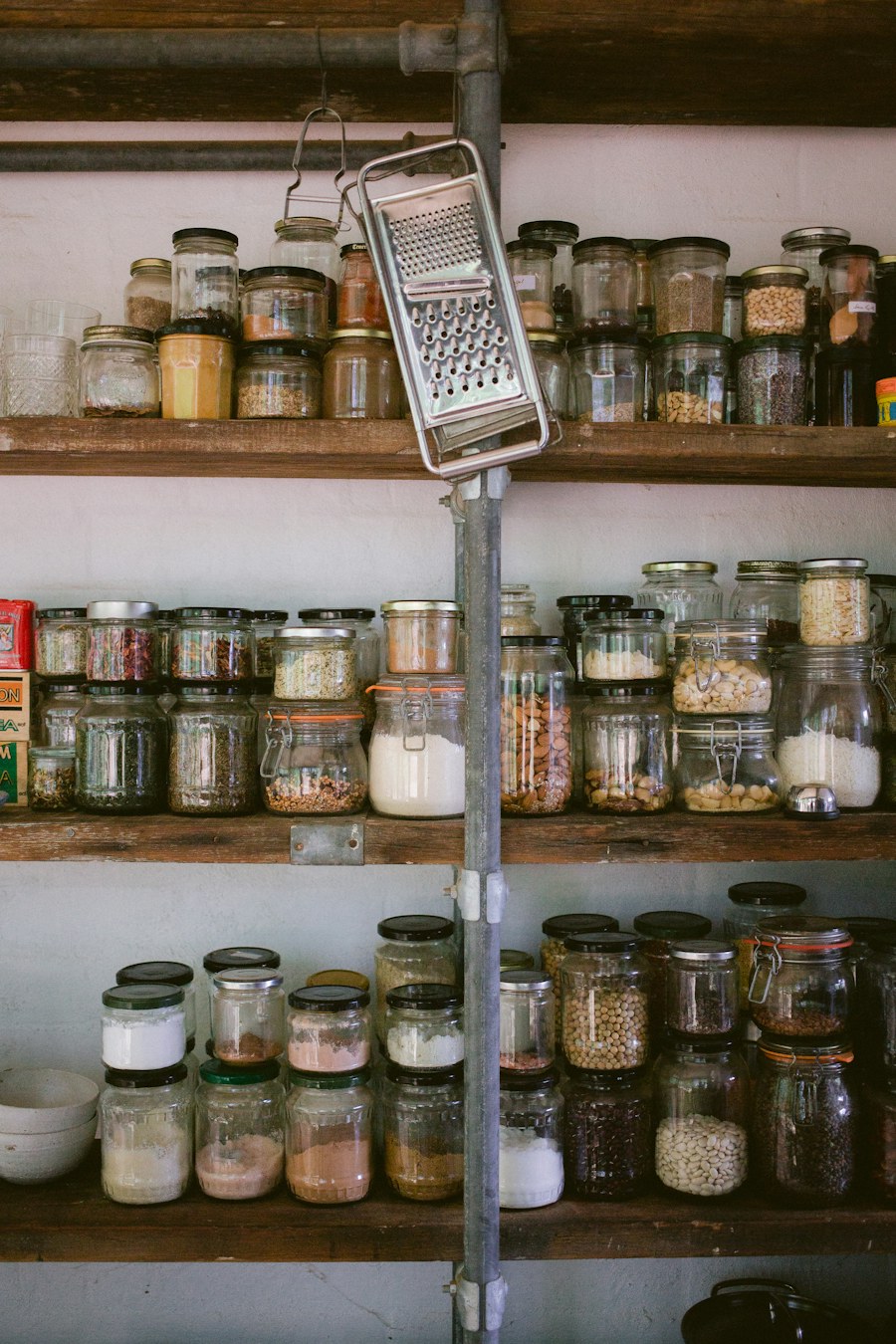
Illustrative photography · Photo credits
Start with your actual quantities
Check the amounts you usually buy and how quickly you use them. Container capacity is not a reliable guide to the weight of every ingredient. Keep a few original packages while testing your setup rather than transferring everything immediately. Some items are simpler to store in a labeled basket.
Preserve useful information
When transferring food, retain allergen information, cooking directions and the original date information. Label the container with the contents and relevant dates. Clean and dry it according to its instructions before refilling. Avoid topping up old food with a fresh packet, since this makes rotation and tracking less clear.
Plan a refill routine
Place everyday ingredients where you can lift them comfortably. Check whether lids can open beneath the shelf above and whether a full container is manageable. Choose containers specified for food storage and check any temperature limits. Start with two or three frequently used ingredients and evaluate the system after a normal shopping cycle.
Before you buy
Measure the space, write down the problem you want to solve, and test a simple layout with what you already own. Check the exact product’s dimensions, instructions and suitability before making a purchase.
Keep exploring: Create an entryway landing spot →